Significant weight loss can bring about major improvements in health, mobility, and overall body size, yet the skin itself doesn’t always contract to match the newly smaller frame underneath.
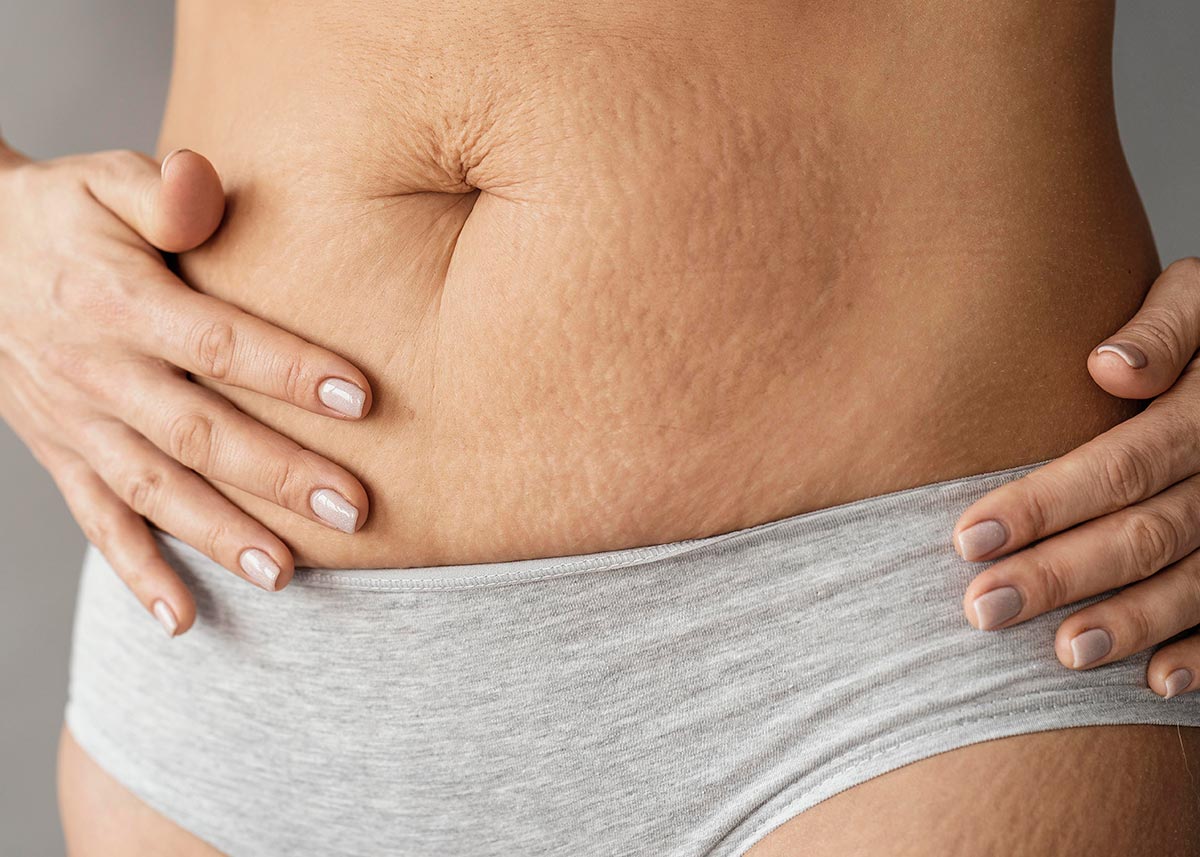
The abdomen is one area where this discrepancy can become particularly noticeable. A fold of redundant skin may remain draped across the lower stomach even once weight has fully stabilised.
For anyone looking into a tummy tuck in South Africa, it’s worth understanding why this happens in the first place, and when surgical skin removal may become a relevant option.
Why Does Loose Skin Remain After Weight Loss?
Skin does possess elastic properties, but those properties come with limits. When the body increases substantially in size, the skin stretches and expands to accommodate the extra volume. If it remains in that stretched state for a prolonged period, its capacity to retract afterward, once weight is lost, can become diminished.
Age, genetics, sun exposure, a history of smoking, and both the extent and duration of previous weight gain can all have a bearing on skin elasticity. The speed at which weight is lost doesn’t entirely determine whether loose skin will be left behind either. Two people losing comparable amounts of weight can end up with very different degrees of redundant skin.
The abdomen tends to be particularly affected in this respect, simply because it may previously have had to accommodate a considerable amount of extra volume.
How Is Loose Skin Different From Remaining Fat?
Loose skin and residual fat very often exist together in the same area, which can make the two difficult to tell apart without a proper examination.
Fat contributes thickness and volume to the tissue. Redundant skin, by contrast, forms an envelope that is simply larger than what the tissues underneath actually require. A fold in the lower abdomen may well contain a combination of both.
This distinction matters because it determines which type of body contouring is likely to help. Removing additional fat on its own cannot make a substantial amount of redundant skin disappear.
Similarly, removing skin without considering the distribution of remaining fat may not produce the intended contour.
A surgeon therefore assesses both components independently.
Can Exercise Tighten Excess Abdominal Skin?
Exercise can strengthen the abdominal musculature and contribute to overall health and body composition.
What it cannot do is remove redundant skin.
A person may develop strong abdominal muscles underneath an external fold that remains unchanged because the problem lies within the skin envelope rather than the muscle.
This can be frustrating after substantial weight loss, particularly when someone has worked hard to improve fitness.
Understanding the distinction helps establish realistic expectations about what further training can and cannot change.
What Does a Tummy Tuck Remove?
An abdominoplasty removes selected excess skin from the abdomen.
The operation is planned according to the amount and location of redundancy. The remaining skin is repositioned to create a smoother abdominal envelope.
Where abdominal-wall separation or laxity is present, this may also be addressed when clinically appropriate.
The belly button may need to be repositioned relative to the newly tightened abdominal skin depending on the extent of the procedure.
Because skin is physically removed, the operation necessarily creates a permanent scar.
When Might a Tummy Tuck Be Worth Considering?
Surgery may enter the discussion when excess abdominal skin remains after weight has stabilised and the patient feels that the fold continues to create a meaningful physical or personal concern.
Some people experience recurrent irritation where skin surfaces rub together. Moisture can collect within deeper folds, making hygiene more difficult.
Others find that redundant tissue interferes with clothing or remains uncomfortable during exercise.
For someone researching tummy tuck treatment, these practical concerns can be just as relevant to consultation as appearance.
Surgery is elective, however, and the existence of loose skin does not mean it must be removed. The decision depends on individual priorities and medical suitability.
Why Does Stable Weight Matter?
Body-contouring surgery is generally easier to plan when major weight changes have finished.
If substantial weight loss continues after excess skin has been removed, additional laxity may develop.
Significant weight gain can stretch the remaining skin again.
A stable weight gives the surgeon a clearer indication of the tissue that is genuinely redundant rather than temporarily changing as part of an ongoing weight-loss process.
For people who have undergone bariatric surgery or very substantial weight reduction, nutritional status may also require particular attention before elective surgery.
Adequate nutrition supports wound healing and recovery.
What Scars Should You Expect?
A tummy tuck requires a lower-abdominal incision whose length is influenced by the amount of skin requiring removal.
Patients with extensive redundancy after major weight loss may require a longer scar than someone undergoing a more limited correction.
The location is planned to place the scar as discreetly as reasonably possible while still allowing the required tissue removal.
Scars change during healing. They may initially be darker, firmer or more visible before progressing through maturation.
Individual scar quality cannot be guaranteed because genetics and personal healing characteristics play significant roles.
This trade-off — exchanging loose skin for a permanent surgical scar — should be considered carefully before proceeding.
Can Liposuction Replace a Tummy Tuck After Weight Loss?
Not when redundant skin is the main concern.
Liposuction reduces fat beneath the skin. If the skin envelope is already significantly oversized, reducing the volume beneath it may leave the redundancy unchanged or potentially more apparent.
This does not mean liposuction has no role in patients who have lost weight.
Some individuals retain localised fatty deposits in addition to excess skin. Selective fat contouring may sometimes be incorporated into a broader surgical plan when appropriate.
The important point is that the two techniques address different tissues.
What Affects Tummy Tuck Cost?
The tummy tuck cost Cape Town patients encounter can vary because not every abdominoplasty involves the same amount of surgery.
Extent of skin removal, complexity of the operation, anticipated theatre time, anaesthetic services and facility requirements can all influence the final quotation.
Additional contouring performed as part of the surgical plan may also affect the total.
Rather than relying on a generic online figure, patients should obtain a written quotation after the surgeon has determined the extent of surgery required.
It is useful to establish what the quote includes and whether there are separate postoperative or ancillary costs.
Preparing for Consultation After Major Weight Loss
Documenting your weight history can help during consultation.
Tell the surgeon how much weight you have lost, how it was lost, how long your current weight has been stable and whether further loss is planned.
Previous bariatric procedures, abdominal operations and pregnancies should also be discussed.
The surgeon will examine the distribution of redundant tissue, existing scars and abdominal-wall condition.
For someone considering a tummy tuck South Africa, consultation is also the appropriate time to discuss recovery support. Abdominal surgery temporarily affects lifting, mobility and strenuous activity, which can have practical implications at home and work.
The decision to remove excess skin after major weight loss is highly personal. A useful surgical plan acknowledges the achievement of weight loss while addressing only the residual anatomy that can realistically be changed.
Recent Comments