
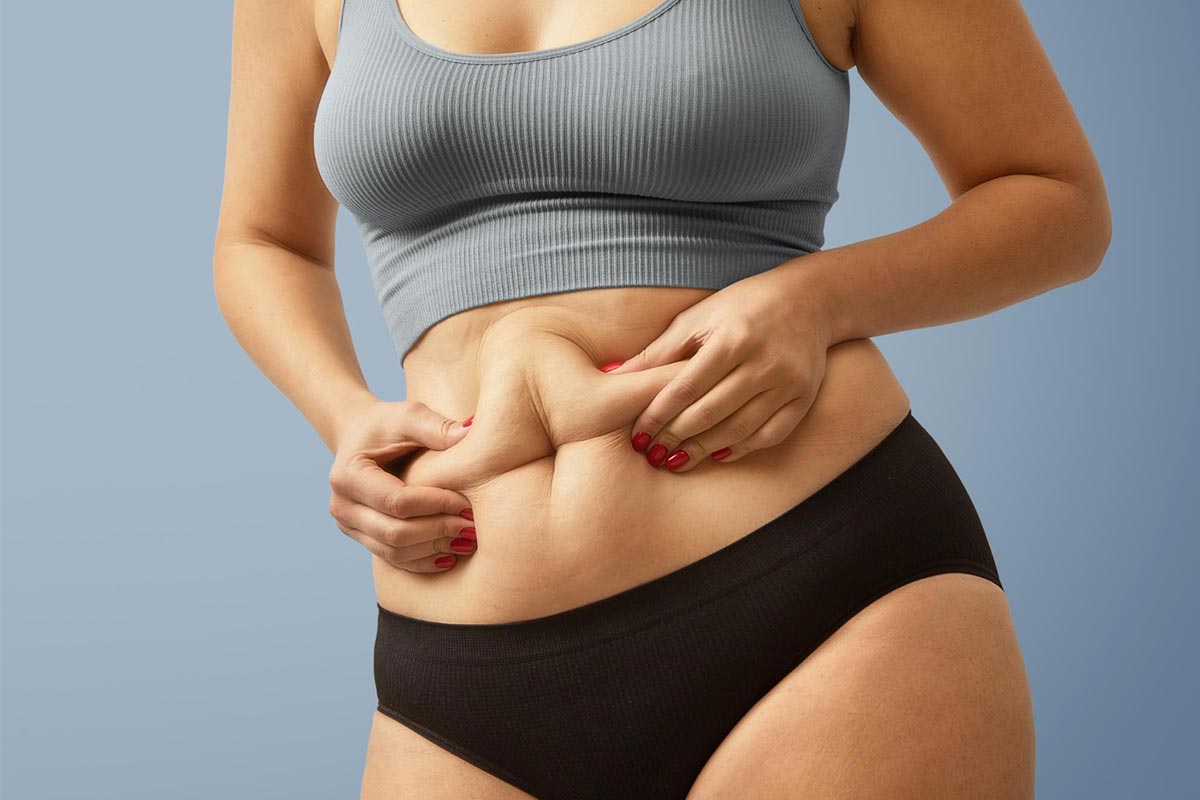
Liposuction is one of the world’s most popular cosmetic procedures for removing stubborn fat deposits that don’t respond to diet and exercise. It can create smoother body contours and help patients achieve a more proportionate appearance. However, one of the most common questions people ask before undergoing the procedure is: can fat return after liposuction?
The short answer is yes—but not in the way many people think.
Understanding what happens to fat cells after liposuction is essential for setting realistic expectations and protecting your investment in the procedure. While liposuction permanently removes fat cells from treated areas, maintaining your results depends largely on your lifestyle after surgery.
In this article, we’ll explain how liposuction works, whether fat can return, and the best ways to enjoy long-lasting liposuction results.
How Does Liposuction Work?
Liposuction is a body contouring procedure designed to remove localized fat deposits from specific areas of the body. It is not intended to be a weight-loss solution but rather a way to reshape areas that are resistant to diet and exercise.
Common treatment areas include:
- Abdomen
- Waist and flanks (love handles)
- Thighs
- Hips
- Back
- Upper arms
- Chin and neck
During the procedure, a surgeon inserts a thin tube called a cannula through small incisions to break up and suction out unwanted fat. This permanently removes a portion of the fat cells in the targeted area, resulting in improved body contours.
Many patients seeking liposuction choose the procedure because it provides noticeable improvements in body shape when combined with healthy lifestyle habits.
Can Fat Return After Liposuction?
One of the biggest misconceptions about liposuction is that the treated area can simply “fill back up” with fat.
The reality is more nuanced.
The fat cells removed during liposuction are permanently gone. Adult bodies generally do not regenerate significant numbers of new fat cells. This means the specific fat cells extracted during surgery cannot grow back.
However, the remaining fat cells throughout your body can still increase in size if you gain weight.
So, while the answer to can fat return after liposuction is technically yes, it’s because the fat cells left behind expand—not because the removed fat cells come back.
What Happens to Fat Cells After Liposuction?
To understand the longevity of liposuction results, it’s helpful to know how fat cells behave.
Everyone is born with a certain number of fat cells. During childhood and adolescence, this number increases. By adulthood, the number of fat cells generally remains stable.
When you gain weight, your fat cells enlarge. When you lose weight, they shrink.
During liposuction, many of these fat cells are permanently removed from the treated area.
After surgery:
- Removed fat cells are gone permanently.
- Remaining fat cells can still expand with weight gain.
- Untreated areas retain their original number of fat cells.
- Significant weight gain may alter your body proportions.
This is why maintaining a stable weight is key to preserving your new body contours.
Why Some Patients Think Fat Has Returned
Some patients feel disappointed months or years after surgery because they believe their fat has “come back.”
In many cases, several factors contribute to this perception.
Weight Gain
The most common reason is simple weight gain.
If you consume more calories than your body burns over time, the remaining fat cells enlarge throughout the body.
Although the treated area usually still has fewer fat cells than before surgery, noticeable weight gain can reduce the definition achieved by the procedure.
Natural Ageing
As we age, our metabolism slows, muscle mass decreases, and body fat distribution naturally changes.
These normal changes may affect your appearance even if your weight remains relatively stable.
Hormonal Changes
Pregnancy, menopause, certain medications, and hormonal conditions can influence where fat is stored in the body.
While liposuction permanently removes fat from treated areas, hormones may encourage fat accumulation in untreated regions.
How to Maintain Liposuction Results
Fortunately, preserving your outcome is largely within your control.
Maintaining liposuction results involves adopting healthy habits that support long-term weight stability.
Maintain a Stable Weight
Small fluctuations are completely normal.
However, gaining a significant amount of weight can cause remaining fat cells to enlarge and alter your body contours.
Aim to keep your weight within a healthy range after recovery.
Exercise Regularly
Regular physical activity helps prevent excess weight gain and supports overall health.
A balanced fitness routine should include:
- Cardiovascular exercise
- Strength training
- Flexibility exercises
Building lean muscle can also improve body definition and complement your liposuction results.
Eat a Balanced Diet
Healthy eating plays an important role in maintaining liposuction results.
Focus on:
- Lean proteins
- Fresh fruits
- Vegetables
- Whole grains
- Healthy fats
- Plenty of water
Limiting processed foods and sugary beverages can help prevent unnecessary weight gain.
Follow Your Surgeon’s Instructions
Recovery is just as important as the procedure itself.
Following post-operative instructions regarding compression garments, activity restrictions, and follow-up appointments promotes optimal healing and helps achieve the best possible outcome.
Is Liposuction Permanent?
Yes.
Liposuction permanently removes fat cells from treated areas.
However, permanence does not mean immunity from future weight gain.
Think of liposuction as reshaping your body’s fat distribution rather than preventing future fat accumulation altogether.
Patients who continue healthy lifestyle habits typically enjoy long-lasting improvements in body contour.
Does Fat Go to Other Areas After Liposuction?
Another common concern is whether fat “moves” to different parts of the body after surgery.
Fat does not migrate from one area to another.
However, if you gain weight after liposuction, untreated areas with more remaining fat cells may enlarge more noticeably than treated areas.
For example, if your abdomen has been treated but your thighs have not, future weight gain may become more visible in your thighs.
This doesn’t mean fat has shifted—it simply reflects the body’s remaining fat distribution.
Is Liposuction a Weight-Loss Procedure?
No.
Liposuction is designed for body contouring rather than significant weight reduction.
The best candidates are generally individuals who:
- Are close to their ideal body weight
- Have stubborn fat deposits
- Maintain a healthy lifestyle
- Have good skin elasticity
- Have realistic expectations
People considering liposuction in Cape Town often achieve the best results when they see the procedure as a complement to healthy living rather than a substitute for diet and exercise.
Frequently Asked Questions
Can I gain weight after liposuction?
Yes. Weight gain is still possible after surgery because the remaining fat cells can enlarge if excess calories are consumed over time.
Will the treated area always stay smaller?
Generally, yes. Because many fat cells have been permanently removed, treated areas often remain proportionally smaller than before surgery, even if modest weight gain occurs.
Can I have liposuction more than once?
In some cases, revision or additional liposuction procedures may be appropriate. Your cosmetic surgeon can determine whether further treatment is suitable based on your goals and existing body contours.
How long do liposuction results last?
With a stable weight and healthy lifestyle, liposuction results can last for many years. Many patients enjoy permanent improvements in body shape after a single procedure.
So, can fat return after liposuction? The answer is yes—but not because the removed fat cells grow back. Liposuction permanently eliminates fat cells from treated areas, but the remaining fat cells throughout the body can still expand if you gain weight.
Understanding what happens to fat cells after liposuction helps set realistic expectations and highlights the importance of healthy habits after surgery. By exercising regularly, eating a balanced diet, and maintaining a stable weight, most patients can enjoy long-lasting, natural-looking liposuction results.
If you’re considering liposuction South Africa, consulting with an experienced cosmetic surgeon is the best way to determine whether the procedure aligns with your goals. A personalised treatment plan and commitment to a healthy lifestyle can help you achieve smoother body contours and maintain your results for years to come.
Recent Comments