
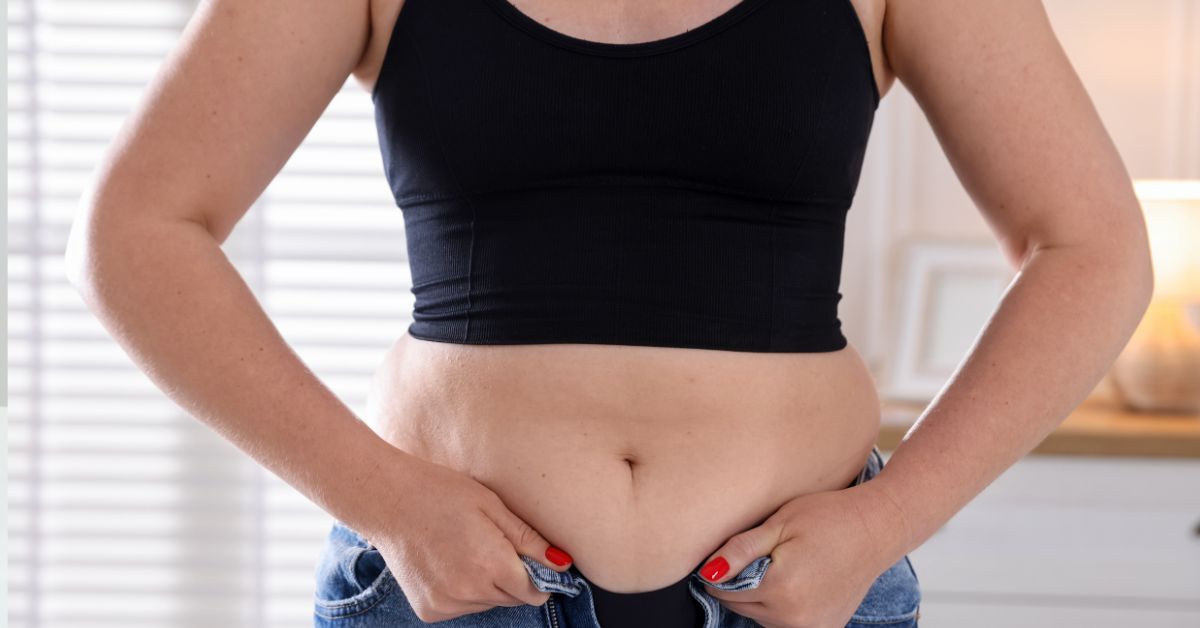
One of the most common questions patients ask when considering abdominal liposuction is whether the fat will eventually come back. It is an understandable question: if you are investing time, money and recovery into a body-contouring procedure, you want to know how long the result may last.
Liposuction can provide Permanent Fat Removal in the sense that the fat cells physically removed during the procedure do not regenerate in the same way. However, this does not mean that the treated area can never become larger again.
Understanding this distinction is essential when considering Belly Liposuction.
How Does Tummy Liposuction Work?
Liposuction is designed to remove localised deposits of subcutaneous fat – the fat situated underneath the skin.
During surgery, a thin instrument known as a cannula is introduced through small incisions. The surgeon uses the cannula to remove selected fat deposits and reshape the treated area.
Unlike dieting, where fat cells generally become smaller as weight is lost, liposuction physically removes a proportion of the fat cells from the treatment area.
This is why liposuction is often described as a form of Permanent Fat Removal.
Are Fat Cells Permanently Removed?
The fat cells removed during liposuction are permanently removed from that area.
However, fat cells that remain elsewhere in the treated area – and throughout the rest of the body – can still increase in size if a person gains weight.
Therefore, the best way to think about Tummy Liposuction Results is that the surgical change can be long-lasting, but the appearance of the abdomen can still change in response to future weight fluctuations.
Liposuction does not make someone immune to weight gain.
What Happens If I Gain Weight After Liposuction?
If a patient gains a small amount of weight after surgery, the overall improvement may remain visible, although existing fat cells throughout the body can enlarge.
With more significant weight gain, the body’s contour may change substantially. Fat can accumulate both in treated and untreated areas.
For this reason, patients are generally encouraged to undergo Belly Liposuction when they are at or reasonably close to a weight they feel they can maintain.
Liposuction should not be viewed as a replacement for sustainable nutrition and regular physical activity.
Is Belly Liposuction a Weight-Loss Procedure?
No. Liposuction is a body-contouring procedure rather than a primary treatment for obesity or general weight loss.
An ideal candidate may already be maintaining a relatively stable weight but have a particular area of stubborn fat that does not respond as expected to diet and exercise.
The abdomen is a common example.
Genetics, age, hormones and individual fat distribution patterns can all influence where the body preferentially stores fat. Some people therefore remain disproportionately fuller around the abdomen even when the rest of their body has responded to weight management.
In appropriate patients, liposuction can target this localised fat.
What Tummy Liposuction Cannot Correct
It is equally important to understand what liposuction does not do.
Liposuction removes fat. It does not necessarily correct substantial loose skin, repair separated abdominal muscles or remove visceral fat located deep inside the abdomen around the internal organs.
If the main concern is significant loose abdominal skin, particularly following pregnancy or substantial weight loss, a different procedure such as abdominoplasty may need to be discussed.
Similarly, an abdomen that protrudes primarily because of visceral fat may not respond to liposuction in the same way as an abdomen with a significant amount of pinchable subcutaneous fat.
A physical assessment is therefore essential before deciding on treatment.
How Long Do Tummy Liposuction Results Last?
Tummy Liposuction Results can be long-lasting when patients maintain a reasonably stable body weight and healthy lifestyle.
The body will, of course, continue to age naturally. Skin elasticity, muscle tone and overall body composition can change with time.
Pregnancy may also significantly alter the abdominal area after liposuction.
For patients planning future pregnancies or substantial weight changes, it may be worth discussing timing with the surgeon before proceeding.
Maintaining Your Result
There is no special diet that guarantees permanent liposuction results. Instead, long-term maintenance generally comes down to sustainable habits.
Regular exercise, balanced nutrition, adequate sleep and sensible weight management can all contribute to maintaining the body’s overall composition.
The aim should not necessarily be to maintain exactly the same number on the scale every day. Normal weight fluctuations occur.
Rather, avoiding significant and sustained weight gain helps protect the contour achieved through surgery.
When Will the Final Result Be Visible?
Patients should not expect to see their final abdominal contour immediately after surgery.
Swelling is a normal part of recovery and can temporarily obscure the result. The abdomen may initially appear swollen, firm or uneven.
As healing progresses, swelling gradually reduces and the new contour becomes more apparent.
The process takes time, and subtle changes can continue for several months.
Patients should therefore avoid judging their Tummy Liposuction Results too early.
Choosing Tummy Liposuction in Cape Town
If you are researching Tummy Liposuction Cape Town, your consultation should focus on much more than how much fat can be removed.
Your surgeon should assess factors such as your current body composition, distribution of abdominal fat, skin quality, previous surgery, general health and expectations.
The surgeon can also explain whether liposuction alone is likely to address your concerns or whether another approach may be more appropriate.
A realistic understanding of what the procedure can and cannot accomplish is one of the most important parts of the decision-making process.
So, Is Liposuction Permanent?
When discussing Permanent Fat Removal, the answer requires some context.
The fat cells removed by liposuction are permanently removed. However, the body remains capable of storing fat in the remaining fat cells, and future weight gain can alter the result.
Liposuction therefore creates a long-term change in body contour rather than guaranteeing that the abdomen will remain exactly the same regardless of lifestyle, ageing, pregnancy or weight fluctuations.
For appropriately selected patients who maintain a stable lifestyle, Belly Liposuction can provide a lasting improvement in abdominal contour.
The first step is an individual consultation to determine whether the procedure is appropriate for your anatomy, goals and expectations.
This article is intended for general educational purposes and does not constitute individual medical advice. Suitability, risks, recovery and expected outcomes should be discussed during consultation with an appropriately qualified medical practitioner.
Recent Comments