
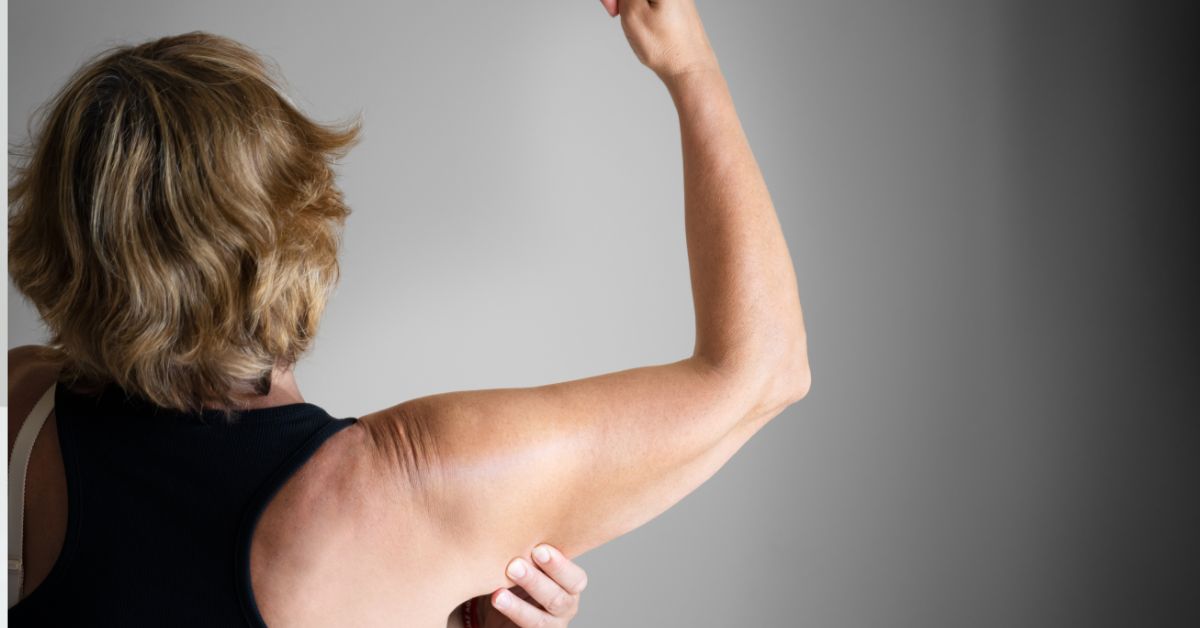
Arm liposuction can be an effective option for people who struggle with localised fat deposits in the upper arms that remain despite maintaining a healthy lifestyle. While much attention is understandably placed on the procedure itself and the final contour of the arms, understanding Arm Liposuction Recovery is just as important.
Recovery does not happen overnight. Swelling, bruising and temporary changes in sensation are all part of the normal healing process, and the appearance of the arms will continue to change for several weeks or even months after surgery.
Knowing what to expect during the Arm Liposuction Recovery Timeline can help patients prepare properly and approach their recovery with realistic expectations.
What Happens Immediately After Arm Liposuction?
Following arm liposuction, the treated area will usually be swollen and may feel tender, tight or bruised. Small incisions are made during liposuction to allow the cannula to access and remove unwanted fat, and these areas also require time to heal.
Patients may be required to wear a compression garment around the upper arms. Compression garments are commonly used during Arm Liposuction Aftercare to help support the treated tissues and manage postoperative swelling.
The arms may initially look larger than expected because of swelling. This should not be mistaken for the final result of the procedure.
The First 24–72 Hours
The first few days are generally when discomfort, swelling and bruising are most noticeable.
Patients should follow their surgeon’s instructions regarding prescribed medication, wound care, showering and compression garments. Rest is important, although gentle movement is generally encouraged as advised by the surgical team.
During this early stage of Arm Liposuction Healing, patients may experience:
- Swelling and bruising
- Tenderness or aching
- A feeling of tightness in the arms
- Temporary numbness or altered sensation
- Small amounts of fluid drainage from incision sites
- Mild difficulty performing strenuous movements with the arms
The exact experience varies considerably between patients and depends on factors including the amount of fat removed, the areas treated and the individual’s healing response.
Week One: Early Recovery
During the first week, swelling and bruising generally remain visible, although discomfort should gradually begin to improve.
Many patients can perform light daily activities during this period, but strenuous exercise, heavy lifting and activities that place unnecessary pressure on the treated areas will normally need to be avoided until the surgeon advises otherwise.
Patients considering Arm Liposuction Cape Town should plan their work and home responsibilities in advance. The amount of time needed away from work will depend partly on the nature of the patient’s occupation. Someone performing desk-based work may return sooner than someone whose job involves heavy lifting or repetitive arm movements.
Your surgeon will provide individual guidance.
Weeks Two to Four: Swelling Begins to Settle
By the second and third weeks, bruising will usually have improved considerably, although swelling may remain.
This is an important point in the Arm Liposuction Recovery Timeline because patients may start noticing changes in the contour of their arms, but these changes are still not the final result.
Swelling can also fluctuate. For example, the arms may appear more swollen at certain times of the day or after increased activity.
Patients should continue following their surgeon’s Arm Liposuction Aftercare instructions carefully. Depending on the procedure and individual recovery, compression garments may still be required.
Weeks Four to Six: Returning to Normal Activities
Many patients are significantly more comfortable by four to six weeks after surgery.
Depending on healing progress and the surgeon’s recommendations, patients may gradually return to more strenuous physical activities and exercise.
It is important not to accelerate this process simply because the arms feel better. Internal tissues continue healing even after external bruising and tenderness have disappeared.
Exercise should therefore be resumed progressively and only after appropriate postoperative guidance.
Two to Three Months: The New Contour Becomes Clearer
As swelling continues to decrease, the shape of the upper arms becomes more defined.
This stage can be particularly rewarding because patients are able to see more of the result that had initially been hidden by postoperative swelling.
However, subtle swelling can remain for longer than patients realise. Arm Liposuction Healing is a gradual process, and final refinement may continue over several months.
When Will I See My Final Arm Liposuction Results?
There is no single recovery timeline that applies to everyone.
Some patients notice substantial improvement within several weeks, while others experience residual swelling for a few months. The final contour should therefore be assessed only once healing and swelling have sufficiently settled.
Skin quality is another important consideration. Liposuction removes unwanted fat but does not automatically tighten significantly loose skin. A patient’s skin elasticity will influence how the skin adapts to the reduced volume underneath it.
This is why a proper surgical consultation is essential when considering arm liposuction.
Arm Liposuction Aftercare Tips
Following postoperative instructions is one of the most important things a patient can do during recovery.
Your surgeon’s specific instructions should always take priority, but general recovery principles may include wearing the prescribed compression garment, keeping incision sites clean and protected, avoiding strenuous activity during early recovery, attending postoperative appointments and gradually returning to exercise.
Maintaining good hydration and a nutritious diet can also support the body’s normal healing processes.
Smoking and nicotine can interfere with wound healing and should be discussed honestly with the surgeon before surgery.
What Symptoms Should Be Reported?
Although some discomfort, bruising and swelling are expected after liposuction, patients should be given clear instructions about symptoms that require medical attention.
Contact your surgical team promptly if you develop unexpected or worsening symptoms, particularly significant increasing pain or swelling, increasing redness or warmth, unusual wound discharge, shortness of breath, chest pain or any other symptoms that concern you.
Do not wait for a scheduled postoperative appointment if something does not feel right.
Planning Arm Liposuction in Cape Town
Patients researching Arm lift surgery cost South Africa more than the procedure itself. The consultation should include a discussion about suitability, expected results, potential risks, skin quality, recovery requirements and realistic expectations.
Liposuction is not intended as a general weight-loss treatment. It is primarily a body-contouring procedure designed to address selected areas of localised fat.
Understanding the recovery process before surgery can make the postoperative period considerably easier to manage.
A Gradual Journey to Your Final Result
Successful Arm Liposuction Recovery requires patience.
The first few days focus on rest and early healing. Over the following weeks, bruising and swelling gradually improve and normal activities are progressively resumed. During the following months, residual swelling settles and the final contour becomes increasingly apparent.
Rather than judging the outcome immediately after surgery, patients should allow their bodies adequate time to heal.
A consultation with a qualified surgeon remains the best way to determine whether arm liposuction is suitable for you and to receive a personalised Arm Liposuction Recovery Timeline based on your proposed procedure.
This article provides general information and should not replace individual medical advice. Recovery instructions and timelines vary between patients and procedures.
Recent Comments